Healthy Hooves, Healthy Herds: The Importance of Regular Hoof Trimming
What happens when your animal starts moving a little slower or seems reluctant to stand? You might immediately check for obvious injuries or illness, but often the root of discomfort lies in a place we tend to forget: their hooves. These structures are essential for your pet’s mobility and comfort, yet overgrown or uneven hooves can quickly lead to pain, infection, and long-term issues that steal their joy of movement. Taking the time for regular hoof trimming helps maintain proper posture and balance, and it’s your best defense for spotting early signs of disease or injury before they become serious problems.
At Mid-Valley Veterinary, our experienced mixed-animal team provides both in-hospital and on-farm hoof care, from routine trims to the treatment of lameness and infections. Our veterinarians emphasize preventive medicine as part of our large animal services and herd wellness programs, ensuring your animals stay sound, productive, and comfortable all year long.
Why Hoof Trimming Is Essential for Livestock Health
Routine hoof care is more than a cosmetic task- it’s a cornerstone of herd health and productivity. Proper trimming supports mobility, reduces stress on joints, and prevents painful conditions that impact feeding and breeding performance. When hooves overgrow or become uneven, animals compensate by shifting their weight, which can lead to lameness, infections, and even joint damage over time. Regular trims restore natural hoof shape, promoting proper posture and gait that allow animals to graze, move, and rest without discomfort.
Following a structured hoof trimming guide helps farmers and herdsmen maintain consistent schedules and techniques that promote balance and stability. Combined with good housing, drainage, and footbaths, these practices play a vital role in foot health and lameness prevention in livestock. Preventive hoof care reduces the risk of lost milk production, poor weight gain, and costly medical treatments- an investment that pays off in both animal well-being and farm efficiency.
Our herd health programs include routine hoof evaluations to identify early changes before they progress into costly or chronic problems. By integrating trimming into your herd management plan, you create a healthier environment where animals move freely and thrive.
Understanding the Hoof: Structure and Function
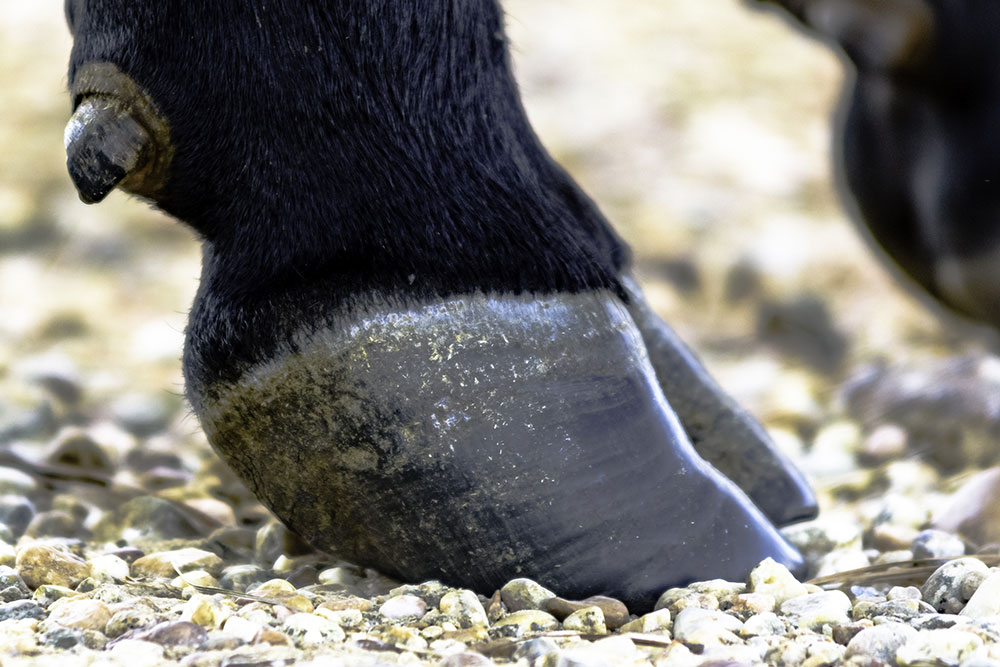
The hoof is a living structure designed to bear weight and absorb shock. The hoof wall protects internal tissues, while the sole and heel distribute pressure evenly. In ruminants, the interdigital cleft and digital cushion work together to absorb impact and maintain stability on uneven terrain. Routine trimming maintains these structures in proper alignment and prevents cracks, bruises, or uneven wear. Overgrown hooves can alter limb angles, putting excess strain on tendons and ligaments.
During trimming appointments, our veterinarians assess hoof balance and watch for subtle asymmetries that might indicate underlying musculoskeletal stress, ensuring every animal stands square and moves freely. These evaluations often reveal early warning signs of arthritis, infection, or metabolic issues- conditions that can be addressed before they compromise overall herd health.
Trimming Schedules for Different Species
The ideal trimming frequency depends on species, age, housing, nutrition, and terrain. As a general rule, most livestock benefit from trimming every 3–6 months, but wetter conditions or rapid growth may require more frequent attention.
- Cattle: Follow a hoof trimming program for cattle that emphasizes balance and claw health every 3-6 months, especially for dairy cows kept on concrete.
- Sheep and Goats: Hoof trimming should be done every 6–8 weeks to prevent overgrowth and misalignment. Moist pastures can soften hooves, leading to rot and overgrowth- regular sheep hoof care and prevention keeps flocks sound and infection-free.
Environmental conditions play a large role in how often hooves should be trimmed. Livestock in rocky or dry climates or on concrete may naturally wear down their hooves, while animals kept in soft or damp areas often need more frequent maintenance. Our individual animal health services allow us to tailor trimming schedules to each herd’s management style, environment, and production goals.
Techniques and Best Practices for Hoof Trimming
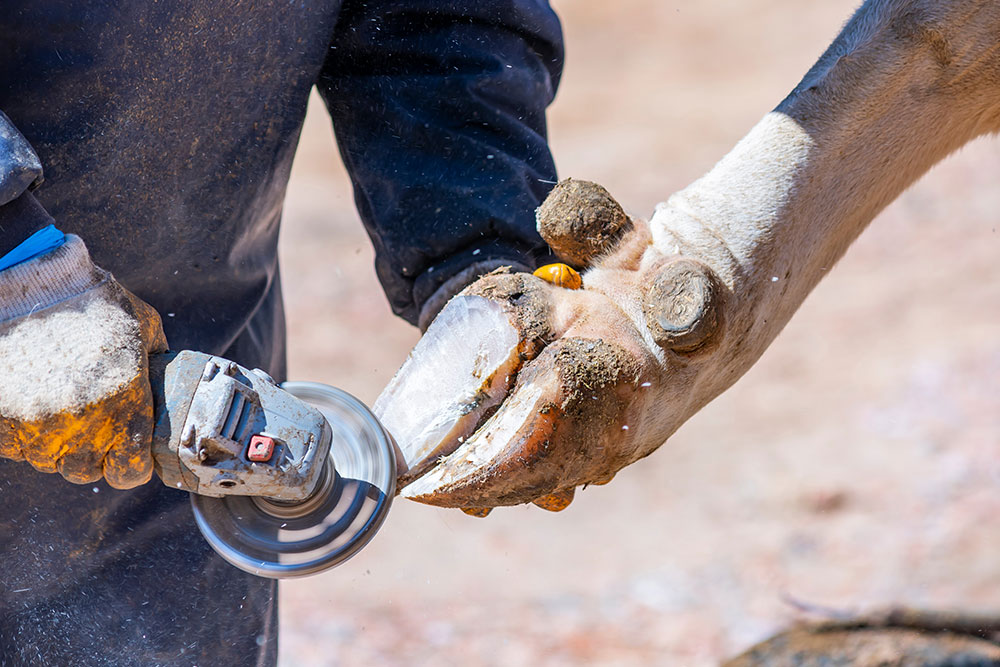
Safe and effective trimming requires patience, skill, and proper tools. Animals should always be handled calmly and restrained safely to minimize stress. Hydraulic chutes are a great way to keep your animals properly restrained for everyone’s safety. Trimming follows a systematic approach that balances the hoof, corrects overgrowth, and restores even weight-bearing. A consistent technique prevents injuries and reduces post-trim soreness.
The five-step Dutch method for trimming cows’ feet remains a gold standard for cattle, emphasizing claw balance, heel height, and horn thickness. The beginner’s guide to hoof trimming offers practical insights for maintaining hoof health between professional visits. Regular use of clean, sharp tools is essential for precision and to prevent damage to the hoof wall or soft tissue.
Our veterinarians and technicians are available for on-farm consultations and hoof care training, helping producers prevent injuries and maintain proper trimming techniques as part of their large animal services. We also advise on biosecurity measures- such as disinfecting tools and equipment- to prevent the spread of infectious hoof diseases across animals or farms.
Recognizing and Preventing Hoof Problems
Subtle gait changes or posture shifts are often the first signs of hoof discomfort. Look for:
- Reluctance to walk or stand
- Weight-shifting between limbs
- Foul odor or discharge
- Uneven hoof wear
- Heat, swelling, or sensitivity
These symptoms may point to abscesses, foot rot, or structural imbalances. Maintaining clean, dry bedding and providing proper nutrition supports foot health in livestock and helps prevent bacterial growth. Keep lots clear of rocks, nails, thorns, or other small objects that can penetrate the foot and cause injury. Regular observation during feeding or turnout allows early detection- before lameness affects productivity or behavior.
Locomotion Scoring in Livestock
Locomotion scoring is a systematic assessment tool used to evaluate lameness, providing farmers and veterinarians with an objective method to identify and address mobility issues before they become severe. The widely adopted five-point scoring system ranges from normal gait (score 1) to severely lame animals that are unable or extremely reluctant to bear weight (score 5), with observable indicators including back posture and walking patterns. Industry best practices recommend that no more than 15% of animals in any management group should score above 2, emphasizing the importance of early detection and intervention. This proactive approach, paired with regular hoof trimming programs and clear treatment protocols, helps maintain herd health while reducing the economic losses associated with untreated lameness.
Species-Specific Hoof Care Considerations
Cattle
In cattle, routine hoof trimming in cattle reduces the risk of digital dermatitis and sole ulcers. Proper claw balance and even pressure distribution keep cows mobile, comfortable, and productive. Balanced hooves also support optimal weight distribution, improving fertility and feed efficiency- key elements of herd sustainability. Cows on concrete need special considerations– add grooves to the surface to help them keep their footing, and keeping surfaces scraped and dry helps to prevent a large number of lameness issues.
Goats and Sheep
Small ruminants are especially prone to foot rot in wet seasons. Frequent checks, clean housing, and balanced diets keep hooves healthy and herds thriving. Early detection of lesions or odor allows for rapid treatment and isolation, preventing spread through the flock. Check out this guide to controlling lameness in sheep for more tips.
If you notice any irregularities in your livestock’s gait or hoof structure, our herd health team can provide expert assessment and recommendations to restore balance and prevent complications.
Integrating Hoof Health Into Your Herd Plan
Healthy hooves mean healthy animals. Making hoof care part of your herd’s ongoing wellness plan improves comfort, productivity, and longevity. Whether you manage a few goats or a full dairy herd, scheduling regular evaluations and trimming sessions ensures long-term soundness. Comprehensive records- tracking trims, lameness scores, and environmental changes- help detect trends before they become herd-wide concerns.
Our veterinarians combine experience, technology, and compassion to deliver preventive, hands-on solutions that support every animal under your care. Contact Mid-Valley Veterinary to schedule your next hoof trimming or to include hoof health in your herd management plan. Whether in the field or in our hospital, we’re here to keep your animals- and your livelihood- standing strong.



Leave A Comment