Rolling Eyelids and Droopy Eyes: When Pets Need Eyelid Surgery
Chronic eye discharge, squinting, and redness often trace back to eyelid problems that medication can’t fix. Entropion turns lids inward so lashes rub the cornea. Ectropion lets lids sag outward, exposing tissues to irritation and infection. Both cause ongoing discomfort and can damage vision if left untreated. Surgical repositioning corrects the structure, stopping the irritation at its source.
Mid-Valley Veterinary in rural Northern California addresses eyelid abnormalities through our comprehensive surgical services. Serving small animals and livestock, we tailor techniques to each species. Our diagnostic capabilities help assess corneal damage and urgency, and our pain management keeps recovery comfortable. For working farm dogs and family pets alike, restoring normal eyelid function protects long-term vision. Contact our team to schedule an evaluation.
Why Your Dog’s Eye Won’t Stop Tearing
If your dog squints, paws at her face, and has constant tear stains, the problem may be structural. When the eyelid sits in the wrong position, it creates nonstop friction on the eye.
Two culprits cause most of these problems. Entropion rolls the lid inward. Ectropion lets the lid droop outward. Neither responds well to drops alone, which is why surgery is often the lasting fix. Understanding the structure helps explain why the solution is more than ointment.
When Eyelids Roll the Wrong Direction
Entropion: Lashes Rubbing Where They Shouldn’t
Entropion is an inward-rolling eyelid that makes hair contact the eye with every blink. This causes tearing, squinting, redness, and can lead to ulcers and scarring. Some dogs inherit it, others develop it from eye pain or age-related changes. Once the lid rolls in, irritation often worsens the spasm, creating a cycle of discomfort entropion.
Many common eye conditions overlap with eyelid issues. With our diagnostic services, we distinguish true anatomic entropion (needs surgery) from spastic entropion (often improves when the eye pain is treated).
Ectropion: When Droopy Lids Collect Trouble
Ectropion is the opposite. The lower lid sags, exposing pink tissue and trapping debris. Tears don’t drain well, bacteria thrive, and chronic conjunctivitis becomes common. While it’s usually less painful than entropion, it still causes dryness, discharge, and recurring infections. Many dogs live with mild ectropion for years before owners realize surgery can help.
Which Pets Face Higher Risk
Breed and facial structure matter most. Dogs with loose facial skin or heavy folds are prone to entropion: Shar-Peis, Chow Chows, Bulldogs, Mastiffs, Rottweilers, and some Spaniels. Giant breeds with droopy lids often develop ectropion: Saint Bernards, Bloodhounds, and Basset Hounds.
Other risk factors include aging (tissue loosens), prior trauma, chronic eye inflammation, and weight loss in seniors that changes eye position. Many hereditary eyelid conditions pass from parents to pups, and extreme facial traits can make issues worse. Understanding eyelid disorders helps guide responsible breeding decisions. Our reproductive services can help breeders make decisions about whether or not a problem like this is heritable.
Working dogs in Northern California’s agricultural areas face dust, plant material, and outdoor trauma, which can push a mild predisposition into a bigger problem needing treatment.
Signs Your Pet Needs Eyelid Evaluation
Watch for signs of eye pain and damage:
- Tearing or mucoid discharge that never fully resolves
- Squinting or partial eye closure
- Redness along the inner eyelid
- Pawing at the face or rubbing on furniture
- Lids that look rolled in or droopy
- Cloudiness on the cornea
- Light sensitivity or reluctance to go outside
- Behavior changes suggesting discomfort
Cats often hide eye pain and may only show tear staining or subtle changes. Sudden squinting in a previously normal dog can mean spastic entropion from an ulcer or foreign body. Gradual worsening points to an anatomic issue. Either way, prompt care helps protect vision. Schedule a visit if you notice these signs.
How We Diagnose Eyelid Position Problems
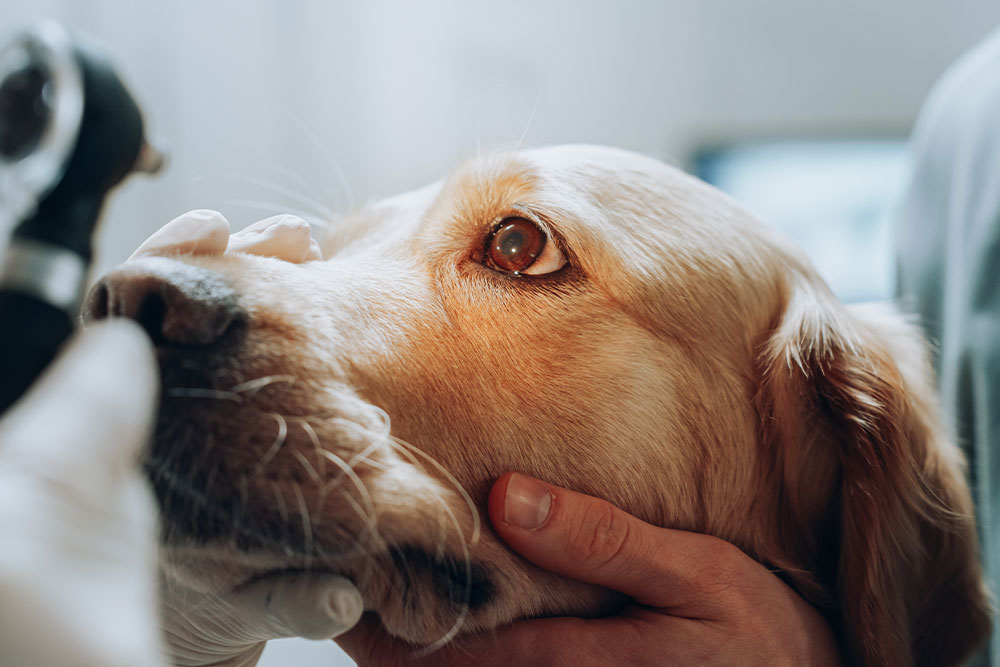
A thorough eye exam shows the eyelid issue, any corneal damage, and underlying causes. We evaluate eyelids before and after numbing drops to separate muscle spasm from true lid malposition.
Our diagnostic approach may include:
- Visual assessment of eyelid shape and facial structure
- Tear testing to check tear production
- Fluorescein stain to find corneal ulcers
- Magnified exam to look for abnormal lashes
- Exam of both eyes, even if only one looks affected
If numbing drops relax the spasm and the lid looks normal, surgery may not be needed once the pain source is treated. If the lid still rolls in, surgery is usually the answer. Some puppies benefit from temporary correction while they grow. Our diagnostic services help us make the right call, and we coordinate referral to a veterinary ophthalmologist for complex cases when needed.
Surgical Solutions: Temporary and Permanent
When Temporary Fixes Make Sense
Temporary eyelid “tacking” uses small sutures or staples to hold the lid in a better position. These surgical alternatives are helpful for:
- Dogs with ulcers causing spastic entropion that may resolve once healed
- Puppies under six months with mild entropion as their faces grow
- Owners who prefer a trial before permanent surgery
Temporary fixes provide relief now, but repeated procedures can cost more overall and expose pets to multiple anesthetics.
Permanent Correction Techniques
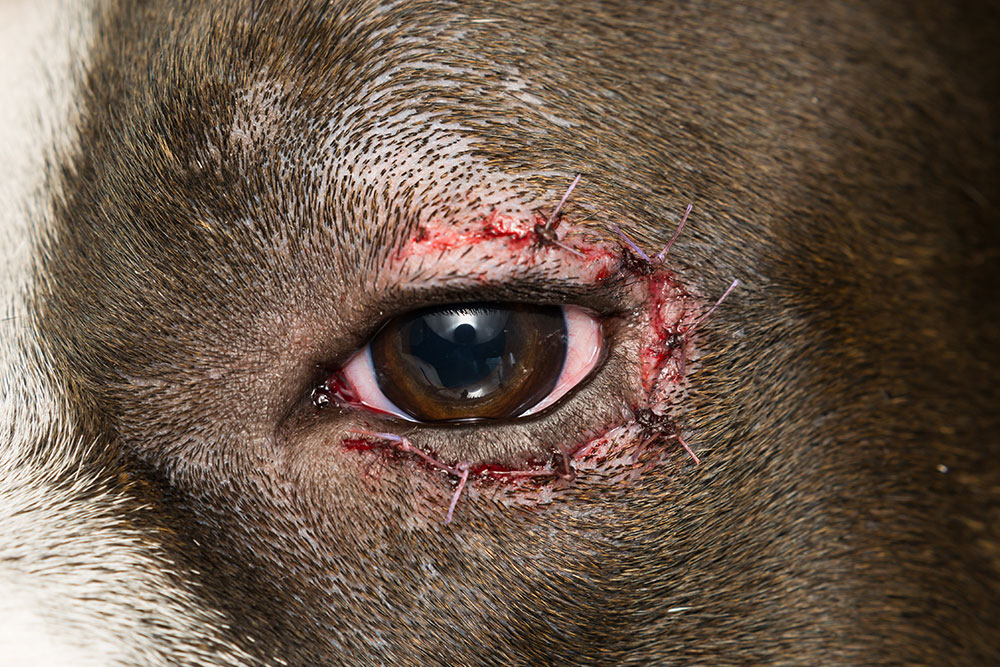
Permanent correction removes a small crescent of skin to roll the lid back to normal. For entropion, techniques like the modified Hotz-Celsus are commonly used. For ectropion, a wedge resection or similar procedure tightens the lid. These eyelid surgery techniques rely on careful planning to avoid overcorrection.
Breed differences matter, and some pets benefit from combined approaches if multiple eyelid areas are involved. Our surgical services focus on individualized plans for safe, predictable results.
Special Considerations for Cats
Cats often develop entropion later in life as facial fat changes shift lid position. Chronic eye disease can also contribute. Many feline cases do best with combined techniques, such as modified Hotz-Celsus with lateral canthal closure, to reduce recurrence entropion in cats. Some cats also have corneal sequestrum, a dead tissue plaque, which may need treatment at the same time.
What Happens on Surgery Day
Eyelid surgery is done under general anesthesia for comfort and precision. We recommend pre-op bloodwork, especially for seniors or pets with health issues. Anesthetic plans are tailored to each pet.
Surgery generally lasts 30 to 90 minutes, depending on the case. We use magnification and gentle techniques designed for delicate eyelid tissue. Our pain management starts before surgery and continues through recovery. Most pets go home the same day; more complex cases may stay overnight.
Recovery: What to Expect at Home
The First Few Days After Surgery
Expect swelling and mild bruising for 24 to 48 hours. Sutures will look more obvious at first and settle as swelling goes down.
Your home care responsibilities include:
- Giving pain medication as directed
- Keeping the Elizabethan collar on at all times
- Apply eye drops or ointments on time. Always apply drops before ointments, and wait 5 minutes between different medications. Here’s some tips on how to give eye medications.
- Using cold compresses if recommended
- Keeping the area clean and dry
- Watching for increasing swelling, discharge, or suture issues
- Limiting activity to prevent bumps or rubbing
Most pets adjust to the collar quickly. Even brief rubbing can damage the repair, so the collar is essential. Contact our team if you see worsening swelling, foul discharge, broken sutures, or signs of severe pain.
Healing Timeline and Follow-Up Visits
Sutures are usually removed at 10 to 14 days. The final eyelid position continues to settle over several weeks. Rechecks help us confirm success and address small touch-ups if needed. Puppies and growing breeds may need longer monitoring. Most pets resume normal activity within three to four weeks.
Long-Term Outcomes After Eyelid Surgery
Most pets experience clear eyes, less tearing, and improved comfort after healing. Success depends on severity, how long the problem existed, and adherence to aftercare. Some breeds with extreme facial features may need revisions more often.
Pre-existing corneal scars may remain, but stopping the daily irritation protects vision going forward. For show dogs, note that some breed standards restrict surgically altered lids. Health and comfort should come first.
Protecting Eye Health After Surgery
Eyelid surgery fixes the structure, but ongoing eye care keeps problems from returning.
Practical steps:
- Protect eyes during rough outdoor activities
- Plan annual or biannual eye exams
- Manage allergies or dry eye as advised
- Keep a healthy weight to support facial structure
- Watch for early signs of irritation
In Northern California’s dusty agricultural settings, working dogs face extra eye stress. Most do well with simple precautions and prompt care for any new irritation. For breeders, selecting away from extreme facial traits reduces eyelid problems in future generations.
FAQs: Eyelid Problems and Surgery
What is entropion in simple terms?
It’s when the eyelid rolls inward and hair rubs the eye, causing pain and damage if not treated.
What is ectropion?
It’s a droopy lower lid that exposes inner tissues, trapping debris and causing infections.
Do drops fix these problems?
Drops can soothe irritation, but they do not correct lid position. Surgery is the lasting solution in most anatomic cases.
How do I know if my pet needs surgery?
If numbing the eye does not correct the lid position, or signs persist despite treatment, surgery is likely recommended.
Is recovery difficult?
Most pets recover well with a collar, meds, and rest. Swelling fades within days, and stitches come out in 10 to 14 days.
Your Partner in Veterinary Eye Care
Eyelid problems that cause tearing and squinting don’t have to be permanent. Entropion and ectropion respond well to timely surgical correction. Our surgical services and diagnostic capabilities help us identify the cause and fix it comfortably for dogs, cats, and other species.
If your pet’s eyes seem off, trust your instincts. We’re here to help, guide, and support you through every step. Contact us to schedule an evaluation or ask questions, and let’s protect your pet’s comfort and vision together.


Leave A Comment