
Are You Cleaning Your Pet’s Ears Too Much (Or Not Enough)?
Healthy ears usually need minimal cleaning. But breed traits, lifestyle, and anatomy can set the stage for problems. Swimmers carry water deep into ear canals, floppy ears trap moisture, and allergies inflame skin, opening the door to yeast and bacteria. A simple routine of checks and smart cleaning keeps small issues from becoming chronic ear disease.
Mid-Valley Veterinary in rural Northern California supports ear health for pets and livestock through our mixed-animal practice. Our wellness and preventative services include ear exams to set a baseline for your pet. We teach families how to check ears, what signs need a vet visit, and how to clean safely. Working dogs and house pets face different risks, and our advice reflects that. When infections happen, our diagnostic tools identify the exact cause so treatment is targeted. Contact our team to discuss ear care tailored to your pet’s breed, lifestyle, and history.
Why Your Pet’s Ears Need Regular Attention
You might notice a scratch here, a head shake there, a weird smell, or gooey, gunky ear discharge. Those small changes often mark the start of ear trouble. A quick weekly check can catch issues early and prevent painful infections.
Ear problems are a common reason for vet visits. The secret is knowing your pet’s normal so you can spot changes fast. A minute each week can save you weeks of treatment later. Using cooperative care techniques helps teach your pet to accept ear handling through positive reinforcement, making routine checks less stressful for everyone involved.
What Makes Pet Ears Vulnerable
How ear structure increases risk
Dogs and cats have L-shaped ear canals. That bend traps moisture and wax where you can’t see, creating a warm, dark space that bacteria and yeast love. Humans have straighter canals, so our ears drain more easily.
Some breeds face more risk. Floppy-eared dogs like Cocker Spaniels and Basset Hounds have less airflow. Narrow canals in breeds like Shar Peis limit ventilation. Persian cats and other flat-faced breeds may have smaller ear openings. Hairy ear canals, common in Poodles and Shih Tzus, can also trap debris. Retrievers are prone to allergic ear inflammation. These factors explain why some pets get ear problems despite good care.
Signs that need veterinary attention
Watch for:
- Persistent scratching or rubbing the head on surfaces
- Frequent head shaking or tilting to one side
- Odor from the ears or visible discharge
- Redness, swelling, or pain when touched
- Behavior changes like irritability
- Crusty skin around the ear opening or balance issues
If you notice these signs, schedule a vet visit. Trust your gut. You know your pet best, and subtle changes matter. If you think your pet has an ear infection, avoid cleaning until they’ve seen a veterinarian.
How Often Should You Check and Clean?
Simple inspection routine
For healthy pets, do a weekly look-and-sniff:
- Lift the ear flap and check what you can see
- Healthy looks pale pink, slightly waxy, not wet, with no odor
- Skin should be smooth without redness, flakes, or bumps
Only clean when you see debris or buildup. Many pets need cleaning every few weeks or even less. Over-cleaning can irritate the ear and upset its natural balance. If your dog swims or gets bathed, dry ears well afterward using proper techniques for removing water from ears.
Understanding how to clean ears properly ensures you’re helping rather than harming, while guidance on cleaning your cat’s ears addresses the unique considerations for feline patients. Dogs in Northern California’s agricultural areas often encounter water in irrigation ditches and ponds, so they may need more frequent checks.
Pets that need closer monitoring
Increase checks if your pet has:
- A history of ear infections or allergies
- Breed risk factors like floppy ears, narrow canals, or hair in the canal
- Frequent swimming or water exposure
- Seasonal flare-ups (spring and fall)
- Disease-related changes or current medications that affect skin
If your pet gets recurrent infections, work with our team to set a customized schedule that catches issues early without over-cleaning.
When Not to Clean at Home
Skip home cleaning and call your vet if you see:
- Thick yellow, green, or brown discharge
- Strong odor, marked redness, or swelling
- Obvious pain when touching the ear
- Blood in the ear canal
Understanding when not to clean ears is just as important as knowing proper technique, as cleaning in certain situations can cause serious harm. Also seek care for neurological signs like a persistent head tilt, loss of balance, circling, or unusual eye movements. These signs can indicate otitis externa in the outer canal or deeper infections like otitis media and interna. Cleaning at home can push debris deeper, worsen pain, or harm the eardrum.
Not sure? Reach out to discuss your concerns. Early diagnosis prevents complications and shortens treatment time.
The Right Way to Clean Your Pet’s Ears
Safe, simple technique
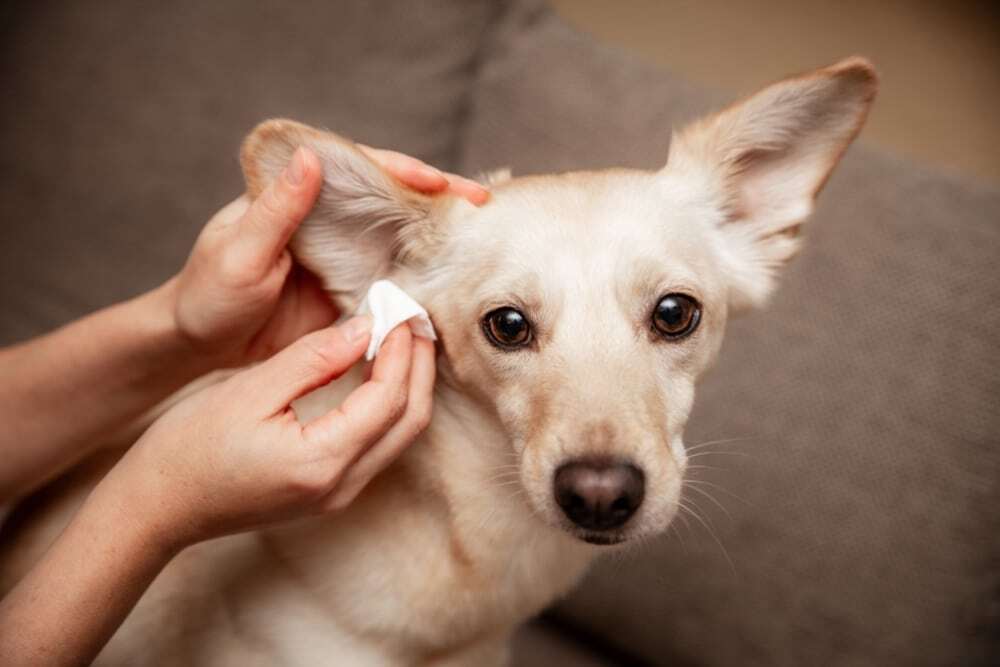
Use a veterinary-approved ear cleaner, cotton balls or gauze, and treats. Choose a calm space with good light. Large dogs usually do best on the floor; many cats tolerate a gentle towel wrap.
Step-by-step:
- Fill the ear canal with cleaner until it pools at the opening.
- Massage the base of the ear for 20 to 30 seconds.
- Let your pet shake. This brings debris up.
- Wipe the visible parts of the canal with cotton or gauze.
- Do not use cotton swabs inside the canal.
- Praise and treat throughout.
Stop if your pet shows pain, you see blood, or the ear looks worse after cleaning. That’s a sign to call your vet.
Choosing the Right Products
Ingredients to avoid and to seek
Not all cleaners are safe for every situation. Skip:
- Alcohol, which stings and dries the skin
- Hydrogen peroxide, which can damage healthy cells
- Witch hazel, vinegar, essential oils, or other over-the-counter cleaners without asking your vet first
Look for:
- Gentle cleansers to loosen wax
- Drying agents for moisture-prone ears
- pH-balanced formulas for pets
- Soothing ingredients for sensitive skin
Human ear products aren’t formulated for the pet ear environment and can irritate or fail to work.
Why ask your vet first
Vets match cleaners to your pet’s ear health and make sure the eardrum is intact. The wrong product can be ineffective or even harmful. If your pet has a ruptured ear drum, some cleaners can even cause deafness. An ear cytology checks for yeast, bacteria, or both, as well as checks the ear drum, guiding safe and effective treatment.
Our diagnostic services include quick microscopic evaluation so we can recommend the right cleaner and medication for your pet’s exact situation. With our in-house microbiology laboratory, we can perform bacterial and fungal cultures when needed, and our cutting-edge microscope with AI technology and board-certified pathologists ensures accurate cytology review. Most results are available in approximately 20 minutes, allowing treatment to start right away.
Special Care After Water Exposure
Swimming and bathing push water deep into the ear canal. Moisture that stays put invites yeast and bacteria. After water play:
- Towel-dry the ear flaps and visible canal
- Use a vet-approved drying solution for dogs who swim often
- Place cotton balls gently in the ear opening during baths to limit water entry
In Northern California, many working dogs hit irrigation canals and stock ponds regularly, especially in summer. A simple post-water routine makes a big difference in preventing infections.
The Value of Professional Ear Exams
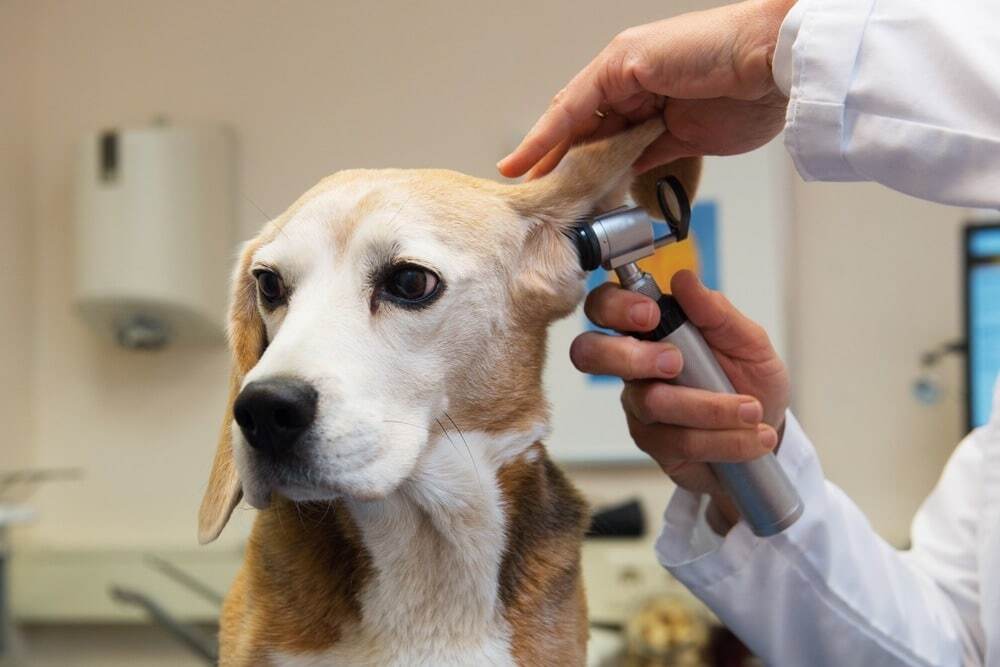
Even if ears look fine, periodic veterinary checks matter. You can only see a small part of the canal at home. An otoscope lets us examine deeper structures and the eardrum safely.
What vet exams accomplish:
- Early detection: We spot inflammation before obvious symptoms start, so treatment is simpler.
- Accurate diagnosis: We determine if it’s yeast, bacteria, or both, and check for foreign bodies or growths.
- Safe treatment: We confirm the eardrum is intact before recommending cleaners or medications.
- Monitoring: We verify infections have cleared and adjust therapy if needed.
- Baselines: We document your pet’s normal to guide future care.
Our wellness and preventative visits include thorough ear exams. For pets with ear issues, we may recommend more frequent checks. With in-house cytology, we often have answers in about 20 minutes so treatment can start right away.
Managing Chronic Ear Conditions
Pets with recurring ear infections often need ongoing support beyond cleaning. Allergies, hormonal imbalances, and anatomical challenges can create a cycle of inflammation that’s difficult to break without comprehensive care.
At Mid-Valley Veterinary, we take a thorough diagnostic approach for chronic ear problems. Our comprehensive in-house diagnostics include full chemistry panels, complete blood counts, and thyroid hormone testing to identify underlying causes. We coordinate with multiple reference laboratories for specialized tests when needed. Once we’ve identified the root cause, we create a personalized treatment plan that may include medication, dietary adjustments, and environmental modifications. For pets experiencing pain from chronic ear disease, we offer diverse pain management options including oral and injectable medications, as well as Class IV laser therapy to decrease inflammation and accelerate healing. Our goal is to break the infection cycle and restore your pet’s comfort.
FAQs: Quick Answers for Pet Owners
How often should I clean my pet’s ears?
Clean as needed based on your weekly checks. If ears look clean and smell normal, skip it. Over-cleaning can irritate the canal.
What should healthy ears look and smell like?
Pale pink, slightly waxy, not wet, and no strong odor. Mild wax is normal.
Can I use cotton swabs?
Only where you can see. Swabs can push debris deeper and risk eardrum injury.
Which cleaner is best?
Ask your vet. The ideal cleaner depends on your pet’s ear health and whether the eardrum is intact. Avoid alcohol and hydrogen peroxide in irritated ears.
My dog swims a lot. How do I prevent infections?
Dry ears after every swim or bath and use a vet-approved drying solution if needed. Increase your inspection frequency during swim season.
When do I need the vet instead of cleaning at home?
If you see discharge, odor, redness, swelling, pain, blood, or any balance changes. These can indicate deeper infections that need medical care.
Your Partner in Maintaining Healthy Ears
Healthy ears depend on simple weekly checks, thoughtful cleaning only when needed, and guidance tailored to your pet. Every pet is different. What’s perfect for one may be too much or not enough for another. We’re here to help you create a routine that fits your pet and lifestyle.
If you have questions about symptoms, products, or technique, we’re happy to help. Contact us at (530) 865-5634 to schedule an ear exam, get product recommendations, or learn hands-on cleaning tips at a wellness and preventative visit. We’re your partner in ear care, here to ease your worries and keep your pet comfortable year-round.



Leave A Comment