
Winter Skin Care for Pets: Combating Dryness and Itchiness
Do you notice your animal scratching more as the weather gets cold? Have you spotted flakes on their coat that look suspiciously like dandruff? Winter brings cozy indoors, but when the heat is running, the dry air can quickly strip moisture from your pet’s skin, leading to that annoying itchiness and discomfort.
Learn how simple changes like using moisturizing shampoos, adjusting their diet to include omega fatty acids, and keeping up with regular grooming can restore hydration and keep their coat healthy and comfortable throughout the cold season.
At Mid-Valley Veterinary Hospital, we understand how Northern California’s winter climate, with chilly mornings, woodstove heat, and dry air, can affect pets. Our veterinarians help clients balance hydration, nutrition, and grooming routines to prevent skin irritation in many species, from dogs and cats to livestock. Through our wellness and preventive care programs, we create tailored plans that keep skin healthy and comfortable year-round.
Understanding Winter Skin Challenges for Pets
Common Winter Skin Issues
Just like people, pets experience drier skin in colder months. Indoor heating removes humidity from the air, while outdoor cold can tighten and dry the skin surface. Many pets develop flaking, itching, and dull coats as a result. Dogs and cats may start scratching more, licking their paws, or chewing at hot spots. Winter requires different skin care for our pets.
Even mild irritation can worsen quickly if left untreated. Changes in hydration, diet, or grooming frequency can throw off the natural oil balance that protects the skin barrier. Regular checkups allow our team to identify early signs of dryness before they progress into more serious conditions, such as dermatitis or secondary infections. Our wellness and preventive services include dermatologic evaluations to help keep your pet comfortable through every season. If you’re looking for a great groomer, we can refer you to our local favorites.
Pets with preexisting allergies or endocrine issues, such as hypothyroidism or Cushing’s disease, are especially vulnerable during the colder months. These conditions can make the skin more sensitive and slow to heal, so preventive care and early intervention are essential for comfort and recovery.
Preventive Skin Care Measures for Winter for Your Pet
Maintaining Hydration and Moisture
When the humidity drops, maintaining skin hydration becomes essential. Placing humidifiers in common living areas helps restore moisture to the air. Regular brushing distributes natural oils, and when it’s bath time, use a moisturizing shampoo designed for sensitive skin. Topical fatty acids can help add healthy oils back to the skin. Overbathing can worsen dryness, so space baths every few weeks unless your veterinarian advises otherwise.
Our team can recommend gentle shampoos and conditioners that preserve natural oils. Ingredients like oatmeal can soothe and moisturize dry, itchy skin- check out some veterinary recommendations in our pharmacy.
After outdoor walks, pay special attention to paws. Gentle cleaning and moisturizing can prevent cracks and irritation from salt, mud, or frozen ground. Even noses can dry out and crack in the winter. Using products like nose and paw balms can help hydrate and protect these sensitive areas.
Don’t forget hydration from the inside out. Pets often drink less water in colder months, so encourage them by providing fresh, room-temperature water or adding low-sodium broth to meals. Hydracare is a great option for ready-made, tasty hydration support.
Dietary Considerations
Diet plays a critical role in skin health, especially during winter. Nutrients like omega-3 and omega-6 fatty acids help maintain skin elasticity and reduce inflammation. Veterinary-approved fish oil supplements can provide these essential nutrients when added carefully to your pet’s regular diet. You can check out some great options through our online pharmacy.
For some animals, switching to a formula with better hydration balance or additional healthy fats during the cold months can make a noticeable difference. Always consult your veterinarian before adjusting supplements, as dosing and product quality matter.
Supporting the skin from within also helps alleviate dry skin in winter. Pets with specific dietary sensitivities may benefit from novel proteins, hypoallergenic diets, or sensitive skin diets. Our veterinarians offer personalized nutrition counseling to guide diet and supplement choices that protect the skin barrier without unnecessary additives.
Adding antioxidants like vitamin E can further promote skin repair and moisture retention. Combined with hydration and high-quality protein, these nutrients work together to strengthen the skin’s resilience against dry winter air.
Grooming Routines in Winter
The Importance of Regular Grooming for Your Pet
While it might seem counterintuitive, your pet’s coat actually needs more attention in winter, not less. Dead skin cells and loose hair trap dander and block natural oils, which worsens dryness. Keeping up with brushing and occasional baths ensures those oils are evenly distributed, giving your pet’s coat a healthy shine.
Consistent regular grooming also helps you spot early signs of skin issues, such as flakes or hot spots, before they progress. For pets with thick or long coats, professional grooming during colder months helps prevent matting and allows the skin to breathe naturally. Grooming is especially important for breeds with long toe hair that play in the snow. Ice and snow can accumulate in this hair, causing painful frozen ice chunks between the toes.
Our team can recommend seasonal grooming routines and products to balance comfort and protection, helping maintain your pet’s coat in optimal condition through the winter chill. Even short-haired breeds benefit from occasional brushing to remove debris and stimulate healthy oil production.
Protective Clothing and Gear
Using Pet Apparel for Skin Protection
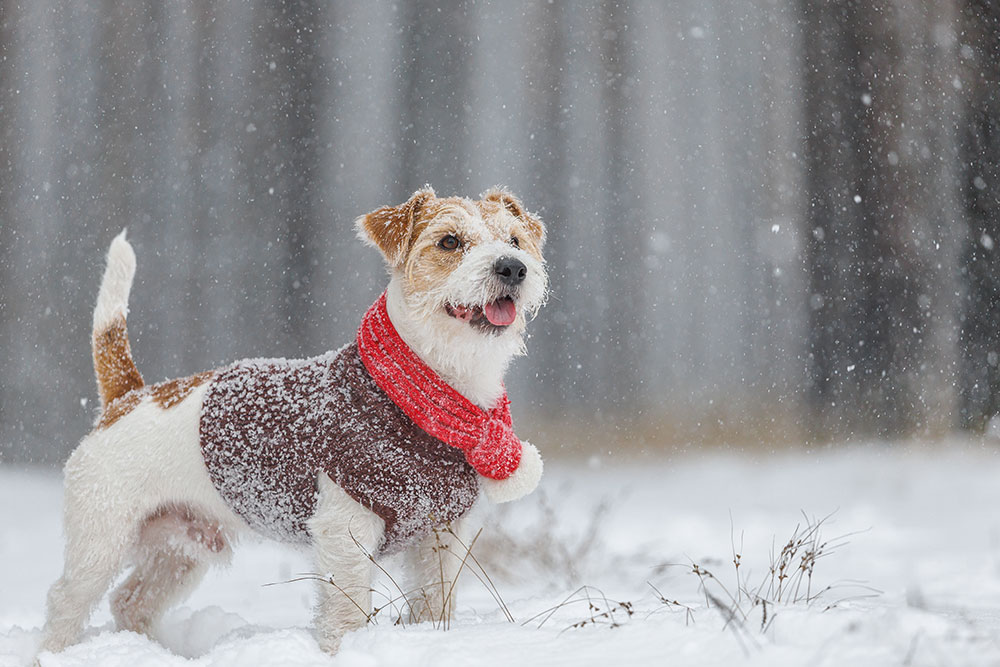
Some pets benefit from a little extra insulation during cold weather. Properly fitted jackets and booties can help preserve warmth, protect sensitive skin, and reduce paw irritation from salt or rough surfaces. Short-haired breeds, seniors, or pets with underlying health issues often need this extra layer of protection.
When selecting pet outerwear, opt for breathable materials and ensure a snug but not tight fit. Always keep apparel clean and dry to prevent chafing or trapped moisture. Gear should support your pet’s comfort without overheating them. Our team can help you choose the right type of clothing or paw protection for your animal’s lifestyle.
If your pet dislikes clothing, a lightweight moisturizing spray or paw balm can still offer a protective barrier without the added bulk.
Recognizing Serious Skin Issues
When to Consult a Veterinarian
Dry skin is common in winter, but persistent irritation or hair loss can point to deeper issues such as allergies, infections, or endocrine disorders. Signs that your pet needs medical evaluation include:
- Continuous scratching or biting
- Redness, scabs, or open sores
- Unusual odor or greasy patches
- Hair loss or flaky buildup
- Restlessness or behavioral changes due to discomfort
In some cases, environmental allergies flare up in winter due to indoor heating or dust. Pets with atopic dermatitis often benefit from advanced treatments like Cytopoint, which provides relief from itching without the side effects of steroids. Don’t forget about your flea prevention- fleas can live in your house all year long. Our veterinarians can also use diagnostic testing and cytology to rule out parasites or infections.
If your pet’s skin issues persist, schedule an exam with our team.

Proactive Skin Health Care for the Season
Healthy winter skin starts with prevention: hydration, grooming, balanced nutrition, and protection from harsh elements. Small changes at home can make a big difference, but veterinary insight ensures your pet’s skin and coat receive the attention they deserve.
At Mid-Valley Veterinary Hospital, we take a holistic approach to your pet’s comfort. From advanced dermatologic diagnostics to Class 4 laser therapy for soothing inflammation and promoting healing, our care plans are designed to restore and maintain healthy skin all year long.
If your pet’s winter itch has become more than a seasonal nuisance, reach out to our team or schedule an appointment today. Together, we’ll develop a strategy that keeps your pet comfortable, hydrated, and happy- no matter how dry and cold the air gets outside. With proactive care, you can ensure that every winter day feels cozy and itch-free for your furry companion.


Leave A Comment