
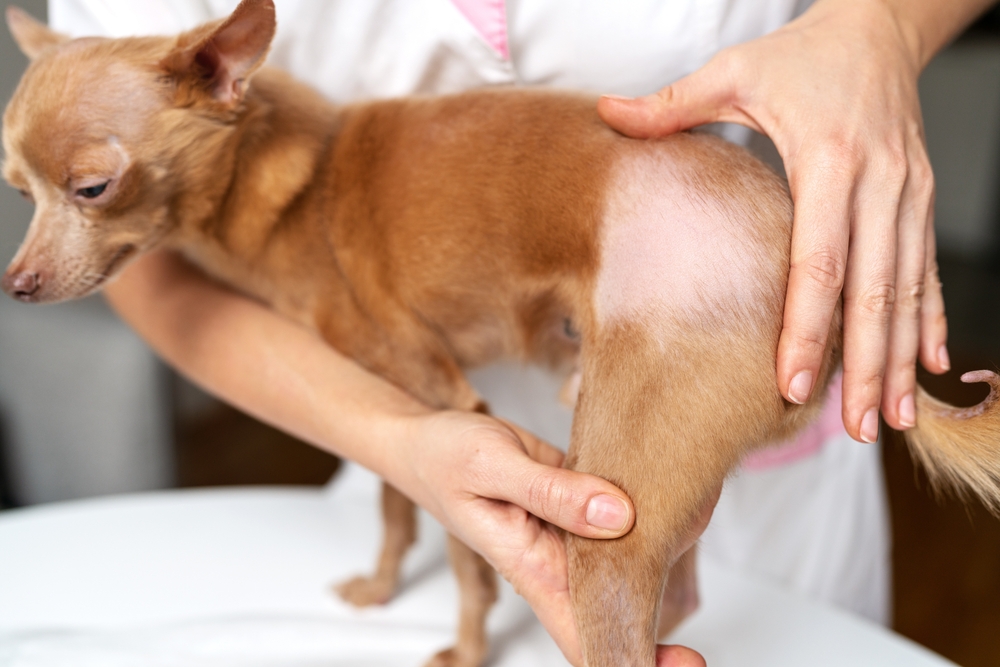
One day your dog’s coat looks normal, and the next you are finding clumps of hair on the couch and noticing bare patches along their sides. Sometimes it starts with scratching that will not quit; other times the hair just thins out quietly without any obvious itch. Either way, you are now asking yourself the same question every family in this situation asks: is this just shedding, or is something actually wrong? The honest answer is that some hair loss is completely normal and some is the first visible sign of a condition that needs attention, and telling them apart is exactly what a thorough workup is for.
The encouraging part: most cases of hair loss improve significantly once we figure out what is driving them. At Mid-Valley Veterinary Hospital, we use advanced diagnostic tools like blood work, digital cytology (microscopic cell analysis reviewed by board-certified pathologists), and in-house bacterial and fungal cultures to help us figure out whether your pet’s hair loss is driven by hormones, infection, parasites, allergies, or something else entirely. Contact us to schedule an evaluation, and we will take the time to find out exactly what is going on.
Normal Shedding vs. Alopecia: Knowing the Difference
Alopecia is the medical term for abnormal hair loss. It is not a disease on its own; it is a symptom that something else is going on, and the something else is what we are trying to figure out.
Normal shedding is diffuse, even across the coat, and leaves the skin underneath looking healthy. There are no visible bare patches, the skin looks calm and intact, and any new hair grows back normally. In the Sacramento Valley and Northern California’s agricultural region, seasonal shedding patterns are less pronounced than in places with sharper temperature swings, which can actually make coat changes easier to miss as they develop.
Signs that warrant evaluation rather than waiting:
- Visible bare patches or localized thinning where you can see skin
- Hair loss that started in one area and has spread
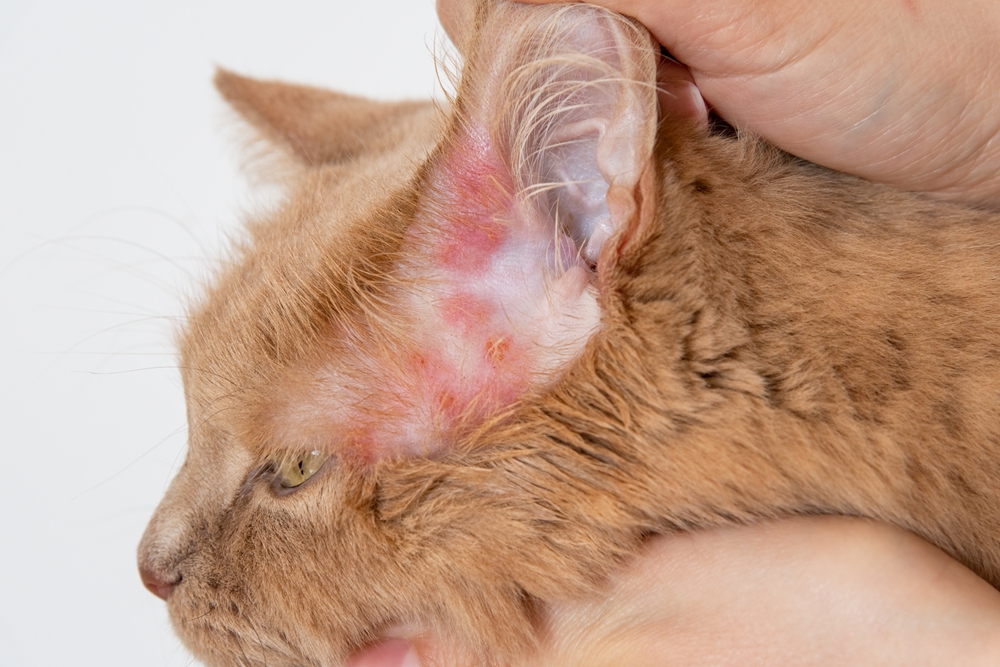
- Redness, scaling, thickening, or crusting on the skin underneath
- Hair that is not regrowing, or grows back with different texture or color
- Excessive scratching, licking, or chewing focused on specific spots
- Coat changes alongside other signs like weight changes or increased thirst
Our wellness and preventive visits include a thorough coat and skin assessment. Catching early changes before they progress is one of the most practical reasons to keep up with annual exams.
Allergies as a Cause of Hair Loss in Pets
Allergies are one of the most common reasons we see hair loss. The mechanism is straightforward: the immune system overreacts to something it should ignore, that overreaction causes inflammation and itching, and the scratching, chewing, and licking that follow are what damage hair and create bald spots. The pet does not always have an obvious skin rash. Sometimes the only visible result of allergic disease is the hair loss itself.
Allergies in pets fall into three main trigger categories: environmental allergens, food proteins, and flea saliva.
Atopic dermatitis is the immune-mediated skin disease driven by environmental allergens. In the Central Valley, grass and tree pollens, mold spores from irrigated agricultural land, and dust mites all create steady allergen exposure.
Food allergens are immune reactions to specific dietary proteins (chicken, beef, dairy, and fish are the most common offenders), and they can develop at any age, even in pets who have eaten the same food for years without a problem. The only reliable way to diagnose food allergy is a strict elimination diet trial using a novel or hydrolyzed protein diet for 8 to 12 weeks, with absolutely nothing else consumed during that window. Blood and saliva tests marketed for food allergy diagnosis are not accurate enough to rely on.
Itching due to food or environmental causes can look nearly identical, so differentiating them requires diagnostic testing. In some climates, the seasonal flares can help tell the difference, but our warm climate makes that harder since we don’t really have an allergy “off-season”.
The pattern of itch-related hair loss is different in dogs and cats:
- In dogs: itching and hair loss tend to concentrate at the paws, face, armpits, groin, and belly
- In cats: allergies often produce smooth, symmetric thinning from overgrooming, most commonly on the belly, inner thighs, and flanks
Flea allergy deserves special mention here because it is so common in our mild climate. A single flea bite in a sensitized pet can trigger weeks of intense itching, with hair loss concentrated at the tail base and rump in dogs and the lower back and belly in cats. The trap: flea-allergic pets often have no visible fleas because they groom them off so efficiently. The absence of fleas does not rule out flea allergy.
Long-term allergy management usually combines several approaches: medicated baths to remove allergens and treat secondary infections, omega-3 supplementation, anti-itch medications like Apoquel or Cytopoint, and sometimes elimination diet trials or formal allergy testing with immunotherapy.
Parasites and Skin Infections That Cause Hair Loss
Even indoor pets can pick up parasites, and some of them are far too small to see without a microscope. The most common offenders that cause hair loss include:
- Demodex mites: patchy, often non-itchy hair loss that typically starts on the face or paws in puppies, or shows up as widespread hair loss in adult dogs whose immune systems are compromised
- Sarcoptic mange: intensely itchy, contagious, with crusting at the ear margins and elbows. Sarcoptes is one of the few skin parasites that can spread to people
Fleas as a direct cause of hair loss go beyond the allergic reaction discussed above. Heavy flea burdens cause skin irritation, itching, and hair loss even in non-allergic pets. Year-round parasite prevention eliminates fleas as a contributor entirely, which is one of the simplest ways to take a major suspect off the list.
Bacterial and yeast infections rarely cause hair loss on their own, but they show up constantly as secondary problems on top of allergic, hormonal, or parasite-related hair loss. When the skin barrier is compromised, the bacteria and yeast that normally live in small numbers on healthy skin can overgrow and add their own contribution to the problem.
Ringworm is a fungal infection (despite the name, no actual worm involved) that creates circular bald patches with reddened or scaly edges. It is contagious to other pets and to people, which is why prompt diagnosis and treatment matter for the whole household. Confirmation usually requires fungal culture, which takes 7 to 14 days for a reliable result.
Hormonal Causes of Hair Loss in Pets
When hair thins symmetrically along both sides of the body without much scratching, hormones are often involved. Hormonal hair loss tends to develop so gradually that families often miss the early stages and only realize something is off when the bald spots become obvious. Routine wellness exams and annual blood work catch a lot of these conditions earlier than visual inspection alone.
Thyroid and Adrenal Conditions
Hypothyroidism in dogs produces a classic triad: weight gain despite no change in appetite, low energy, and a dull, thinning coat. The hair loss is usually symmetrical along the trunk, the tail can develop a “rat tail” appearance, and the skin in affected areas often thickens and darkens. A thyroid panel confirms the diagnosis, and daily levothyroxine supplementation resolves most signs within weeks to months.
Cushing’s disease (hyperadrenocorticism) is what happens when the body produces too much cortisol. The hair loss is symmetrical, but it comes with a distinct constellation of other signs: a pot-bellied appearance, thin and fragile skin that bruises easily, dramatically increased thirst and urination, panting, and muscle weakness. Diagnosing Cushing’s takes specific testing beyond the standard chemistry panel.
Sex Hormones and Topical Hormone Exposure
Intact male dogs can develop symmetrical hair loss from testicular tumors that produce excess estrogen, which causes feminizing changes in the coat and skin. Intact females can show similar changes from hormonal fluctuations or ovarian disease. Spaying or neutering often resolves these cases.
Less obvious but worth knowing about: pets can develop hormonal hair loss from contact with their family members’ hormone replacement creams and gels. Topical estrogen, testosterone, or progesterone applied to the skin can transfer to a pet through direct contact or licking the application site, producing hormonal effects in the pet that mirror what would happen with a tumor. If anyone in the household uses topical hormones, it is worth mentioning to us, especially if your pet shows hair loss in unusual patterns.
Why Routine Blood Work Matters for Coat Health
Hormonal imbalances often show up on blood work before they become visually obvious. Routine annual blood panels during wellness visits do two things at once: they screen for current problems, and they establish baseline values for your pet that make subtle changes much easier to catch in future panels. A thyroid value drifting lower over three years from a known baseline tells us something a single result on a sick pet cannot.
Breed-Related Hair Loss Conditions
Some dogs inherit coat conditions that cannot be cured but can be managed comfortably. Knowing which conditions are common in your dog’s breed helps set realistic expectations about what the hair loss means and how it will progress.
- Color dilution alopecia: a genetic coat defect in dilute-colored dogs (blue, fawn, isabella). Hair becomes brittle and breaks in the diluted color areas, leading to patchy thinning. Common in breeds like Doberman Pinschers, Italian Greyhounds, and Weimaraners.
- Flank alopecia: seasonal, recurring, non-itchy hair loss on the flanks. Most common in Boxers, Bulldogs, Airedales, and Schnauzers. Often linked to changes in daylight hours.
- Sebaceous adenitis: an inherited inflammatory condition that destroys the oil-producing glands in the skin. Most common in Standard Poodles, Akitas, and Samoyeds. Produces hair loss with scaling and a dull coat.
- Zinc-responsive dermatosis: crusting and hair loss in Northern breeds (Siberian Huskies, Alaskan Malamutes) on zinc-deficient or zinc-blocking diets.
Diagnosing these usually means ruling out everything else first. Management focuses on supportive skin care, nutrition adjustments, and sometimes light therapy or supplementation depending on the condition.
Stress, Pain, and Overgrooming as Causes of Hair Loss
Pets, especially cats, can express both emotional distress and physical pain through repetitive grooming that creates smooth, thin, or bald areas. The skin underneath often looks normal, which is part of what makes these cases tricky.
Psychogenic alopecia in cats is overgrooming driven primarily by stress or anxiety rather than allergies or skin disease. Common life stressors include household changes (new pets, new humans, moves), conflict with another cat, changes in routine, and loss of resources or territory. The grooming pattern often targets the belly, inner thighs, and forelegs, areas the cat can easily reach and groom in a self-soothing way.
Dogs show a similar pattern through repetitive licking that produces a lick granuloma, most often on the front leg. The licking creates a thickened, hairless, sometimes ulcerated patch that can be hard to heal because the dog keeps returning to it.
Pain is the other under-recognized driver. Pets often groom over areas that hurt, even when the skin looks fine. Cats with feline idiopathic cystitis frequently overgroom the belly because of bladder discomfort. Pets with osteoarthritis may groom over a sore hip or elbow until they create a bald spot.
The frustrating part: pain-driven overgrooming and stress-driven overgrooming can look identical on the outside. This is exactly why a thorough workup matters. Treating “stress” when the cause is actually a urinary or arthritis problem leaves the pet uncomfortable; treating “arthritis” when the cause is anxiety leaves the underlying issue unaddressed.
How Nutrition Affects Coat Health
The skin and coat are among the first places to show nutritional shortfalls. Hair growth requires a steady supply of protein, essential fatty acids, zinc, and biotin, and when any of those are running short, coat quality suffers before more obvious systemic signs appear.
Most pets eating a complete, balanced commercial diet get what they need, but homemade diets without veterinary nutritional formulation are a common culprit for unexpected coat problems. Diets focused on a single protein source, very low-fat diets, and certain restrictive diets can also create gaps. Adding omega-3 supplementation supports skin barrier function and reduces inflammation, and most allergic or skin-compromised pets benefit from daily intake.
How Grooming Affects Hair Loss and Itchiness
Bathing too often or using harsh shampoos can strip natural oils from the coat, leaving hair fragile and skin irritated. The right bathing frequency depends on the individual pet (skin type, coat type, allergies, and lifestyle all factor in), and our team can help you build a routine that works.
Regular grooming with appropriate brushing improves circulation to the skin, removes debris and allergens (especially relevant in our dusty Central Valley environment), and distributes natural oils through the coat. It also gives you the chance to notice early changes (small bald spots, new bumps, scaly areas) before they get bigger.
What Happens During a Hair Loss Workup
A thorough hair loss evaluation usually moves through these steps:
- Detailed history: when the hair loss started, where it started, whether it spread, whether the pet itches, and what other symptoms have come along with it. Diet, medications, household changes, and exposure to other animals all factor in.
- Physical exam and pattern mapping: the location and distribution of hair loss is one of the most diagnostic pieces of information we have. Symmetric, asymmetric, focal, generalized, ventral, dorsal, all of these patterns point toward different causes.
- In-house testing: skin cytology, skin scrapings to look for mites, and ear cytology if ears are involved. These results often come back during the same visit, so we can start treatment immediately.
- Fungal culture: when ringworm is suspected, fungal culture takes 7 to 14 days but is the most reliable way to confirm.
- Blood work and endocrine panels: when hormonal causes are suspected, thyroid panels, ACTH stimulation testing, and other endocrine evaluations confirm the diagnosis.
- Allergy evaluation: when allergies are the leading suspect, this can include an elimination diet trial or formal allergy testing for immunotherapy candidates.
The point of all of this is to identify the actual cause rather than chase symptoms. Treating without diagnosing is one of the main reasons hair loss cases stall.
How Hair Loss Is Treated
Because so many different conditions cause hair loss, treatment is always matched to the specific diagnosis. There is no one-size-fits-all approach. Broadly, treatment falls into these categories:
- Allergies: prescription medications (Apoquel, Zenrelia, Cytopoint, cyclosporine), allergen-targeted immunotherapy, medicated baths, omega-3 supplementation, year-round flea prevention, and elimination diets when food allergy is involved
- Parasites: appropriate parasiticide therapy (different mites and parasites need different treatments), often combined with environmental decontamination
- Bacterial and yeast infections: topical and sometimes oral antimicrobial therapy guided by cytology, plus addressing the underlying cause that allowed the infection to develop
- Hormonal conditions: daily medication (levothyroxine for hypothyroidism, trilostane for Cushing’s, methimazole or radioiodine for feline hyperthyroidism), with periodic recheck blood work to fine-tune dosing
- Stress-related grooming: environmental enrichment, behavioral modification, addressing household stressors, and sometimes anti-anxiety medication
- Pain-related grooming: treating the underlying source of pain, whether arthritis, dental disease, or another condition
- Nutritional gaps: diet adjustments, balanced commercial diets, and targeted supplementation
Mid-Valley’s laser therapy supports healing in damaged skin and reduces inflammation in severely affected areas. For pets with significant secondary skin trauma from chronic itching or self-grooming, laser therapy can speed up tissue repair alongside medication and topical management. It is particularly useful for hot spots, lick granulomas, and chronic irritated areas.
Follow-up rechecks matter just as much as the initial diagnosis. They confirm regrowth is happening, let us fine-tune medications, and catch secondary issues like new infections before they get out of hand.
Frequently Asked Questions
How quickly will hair grow back after treatment?
It depends on the cause. Parasite-related hair loss typically improves within four to six weeks with treatment. Hormonal conditions may take three to six months for visible regrowth after starting medication, because the hair follicles need to cycle back into growth phase. Breed-related conditions may not fully regrow but improve with consistent management.
My pet seems fine otherwise. Is hair loss still worth a vet visit?
Yes. Hormonal causes like hypothyroidism and Cushing’s disease can produce significant coat changes well before other symptoms become obvious. Catching them early gives better outcomes and often simpler treatment.
Can my pet’s hair loss spread to me?
Ringworm and sarcoptic mange can transmit to people, which is why we test for them when the pattern fits. Most other causes of hair loss are not contagious. Prompt diagnosis and basic hygiene (handwashing after handling, washing bedding) protect the household either way.
My cat is overgrooming but I can’t see anything wrong with the skin. Should I still bring her in?
Definitely. Overgrooming in cats is one of those signs that almost always means something, even when the skin looks fine. Allergies, parasites, stress, and pain can all drive overgrooming, and only an evaluation can tell which is the cause for your cat.
Is shedding more in spring and fall normal?
Yes. Most pets shed more during seasonal coat changes in spring and fall. The shedding should be diffuse and even across the coat, not patchy or localized. If you are seeing bald spots, redness, or hair that does not regrow, that goes beyond normal seasonal shedding and warrants a visit.
Restoring Your Pet’s Coat Health
Hair loss that worsens without explanation, or that comes with other behavioral or physical changes, deserves investigation rather than indefinite waiting. Whether your pet is scratching nonstop, quietly overgrooming, or showing the symmetrical thinning that often points to a hormonal cause, there is a clear path forward. Most cases improve significantly once we identify what is driving them, and our diagnostic tools and team experience are aimed at exactly that: getting to the right answer so the right treatment can actually work.
Contact us to schedule an evaluation for your pet’s coat and skin concerns.




Leave A Comment