
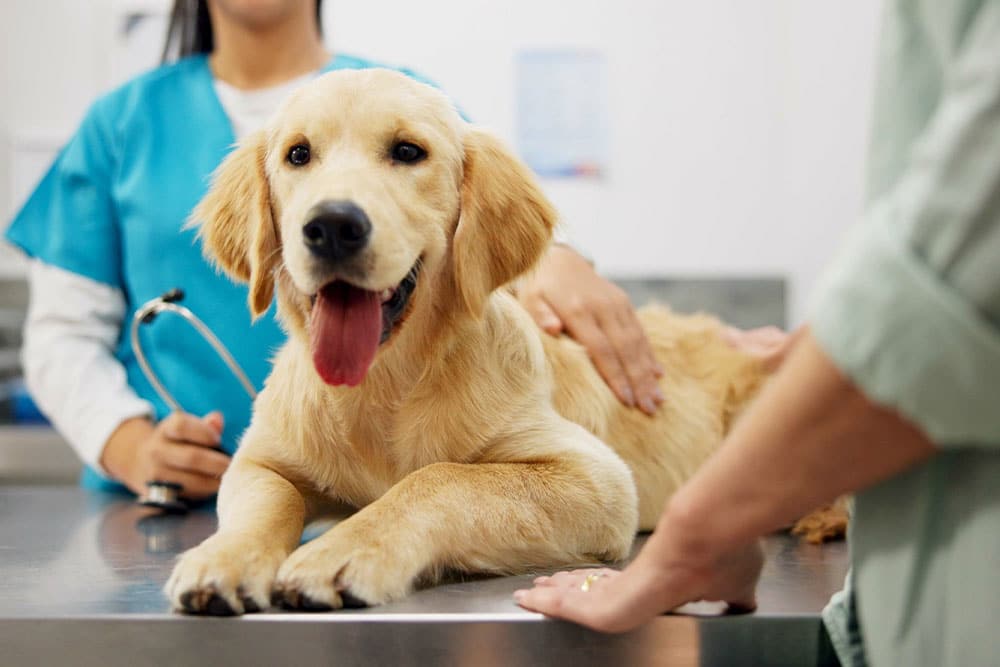
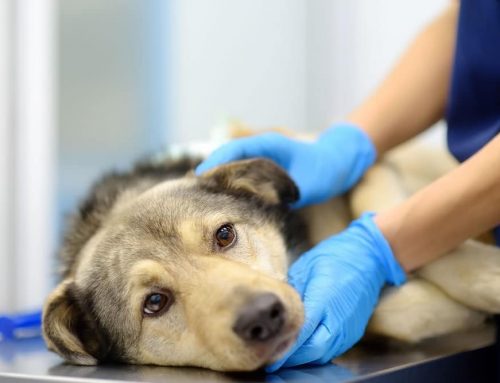
A veterinary checkup before the first day of daycare is the single most useful step in the process, because the vaccine paperwork, the parasite screening, and an honest readiness conversation all start there. Nearly every reputable facility requires proof of rabies, the distemper-parvo combination, leptospirosis, and kennel cough vaccination, and a growing number ask about canine influenza too. A current fecal test matters just as much, since intestinal parasites spread through a busy play yard faster than any facility can clean. The exam is also the place to rehearse your questions for each facility, from group sizes to rest schedules, and to ask whether your dog would actually enjoy a day of nonstop company.
Between Orland and the Chico commute, plenty of hardworking families lean on daycare to cover long days, and Mid-Valley Veterinary Hospital handles the preparation that comes first. During a wellness and preventative visit, we can update every vaccine on a facility’s checklist, run a fecal test in-house, and weigh in honestly on whether all-day group play suits your dog. If a daycare brochure is sitting on your kitchen counter, reach out and we will square away the health requirements before the trial day.
Daycare Prep in a Nutshell
- The questions you ask before drop-off tell you more about a facility than any lobby tour or polished website ever will.
- Vaccines and parasite prevention lower the risk of illness in a group setting but don’t erase it, so keeping sick dogs home still matters.
- Not every dog is built for a loud room full of playmates, and choosing a quieter option is a perfectly good answer.
- A pre-daycare wellness visit catches lapsed vaccines, hidden parasites, and readiness concerns before they become a problem for your dog or the whole yard.
What Actually Makes a Dog Daycare a Good One?
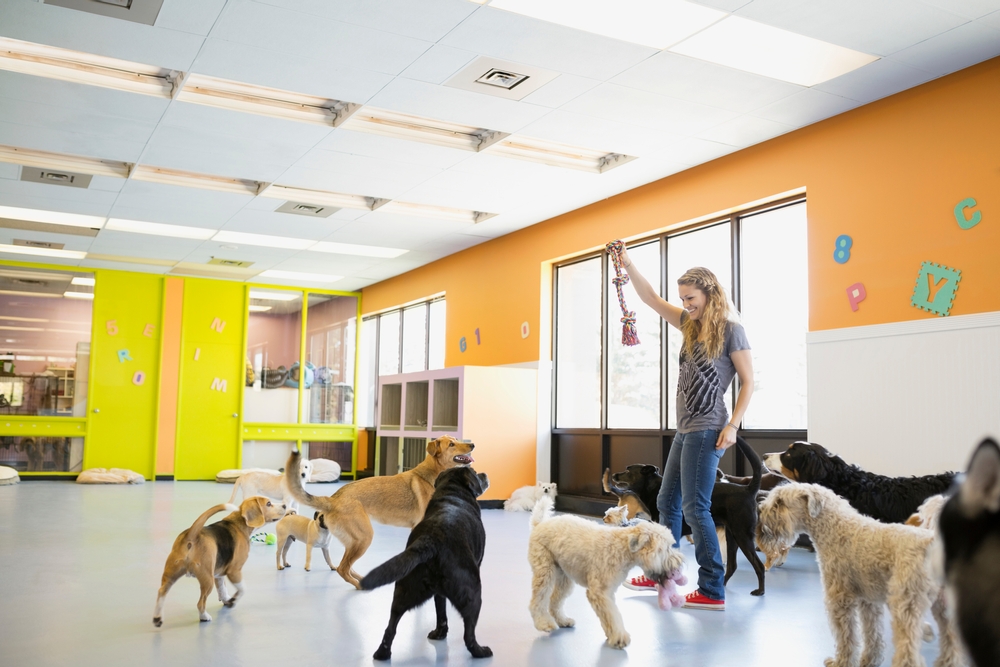
A good daycare comes down to a few non-negotiables: safe play in size- and temperament-matched groups, real rest built into the day, handlers who watch the floor, and clear communication when something happens. A spotless lobby tells you almost nothing about any of that.
Well-run group play does more than burn off energy; structured socialization builds a dog’s confidence when a trained handler is watching matched groups.
What Should I Ask About Staffing, Supervision, and the Building?
The heart of daycare safety is who’s watching the dogs and how well they’re trained to do it, and a good facility answers each question specifically while a careless one stays vague. The goal isn’t zero conflict, which no honest place can promise, but a team that heads off trouble early and handles it well. Safe group play depends less on a fancy facility than on handlers who actively supervise, keep groups small, and step in at the first sign of tension.
Bring this list and listen for specific answers:
- Ratios and training: How many dogs does one handler watch, and are staff trained in canine body language and de-escalation?
- Screening: Is there a temperament evaluation or trial day before a dog joins a group?
- Introductions: How does a new dog join the group? A thoughtful process for introducing dogs one at a time on neutral ground prevents most scuffles.
- Stress response: What happens when a dog gets overwhelmed, and is there a quiet space to decompress?
- Rest and transparency: Is structured rest built into the day, and can families watch play by window or camera?
Red flags run the other way: dogs crammed together with one distracted handler, no rest schedule, no trial day, and a shrug when you ask what happens after a scuffle. The building matters too, so ask how the space handles an Orland summer, when triple-digit afternoons are routine.
| Facility question | What a good answer sounds like |
| Climate control | Air conditioning and heat, with indoor space on extreme days |
| Heat safety | Staff trained to spot early overheating and limit outdoor time in the heat |
| Bad-weather enrichment | Indoor games and puzzle play when it’s too hot or wet to go out |
| Toys and resources | Managed to prevent resource guarding and fights over toys |
| Cleaning and surfaces | Frequent disinfection and non-slip, joint-friendly play surfaces |
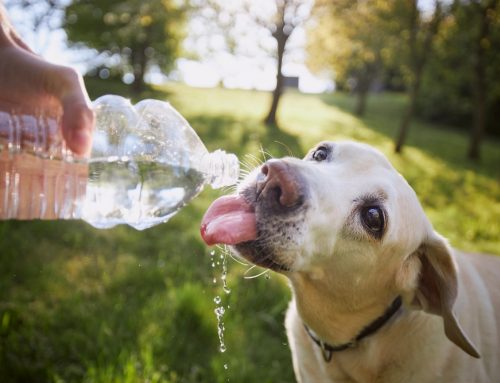
Flat-faced breeds, seniors, overweight dogs, and any dog with heart or airway trouble overheat faster than the rest, so ask how staff watch them on hot days. If your dog comes home overheated, wobbly, or panting hard, call us during our hours or head to the nearest emergency hospital after hours; serious overheating can’t wait.
Is Daycare Really the Right Call for Every Dog?
Daycare is a great fit for a lot of dogs and a poor one for others, and there’s no shame in the second group. Every dog has a different threshold for the noise and motion of a crowd, and that dog tolerance tends to narrow as a dog ages or develops sore joints.
Watch how your dog reads the room. A dog who keeps retreating, freezes, or tries to leave the group is telling you something, and learning to read canine body language helps you tell a dog who’s having fun from one who’s overwhelmed. A good candidate loosens up, plays in bouncy back-and-forth bursts, and takes breaks on their own. If yours comes home wired, shut down, or reluctant to go back, that’s worth a rethink rather than a push. If you’re on the fence about a trial day for an anxious or reactive dog, have our team weigh in before you commit.
When Is Boarding a Better Fit Than Daycare?
For a dog who prefers calm, needs one-on-one attention, or has a medical reason group play is risky, supervised boarding is the safer path. Dogs with a chronic illness, a daily medication schedule, or a surgery recovery do better where staff can watch them closely than on a churning play floor. If that sounds like your dog, ask us about the boarding facilities we recommend for a lower-key day.
Why Is a Good Daycare Safer Than the Dog Park?
A well-run daycare screens every dog, supervises every group, and answers to someone when things go wrong. A public dog park does none of that. The biggest dog park risk is that no one screens who walks through the gate, so an unvaccinated or reactive dog can end up nose to nose with yours before anyone intervenes.
That doesn’t make every dog park a bad idea. Some dogs do great at a quiet park at an off hour with a family who reads the crowd and leaves when the fun starts to turn to uncontrolled chaos. The honest question is whether your dog is better served by a structured, staffed environment or an open one where the mix of dogs changes by the minute.
When Can a Puppy Start Daycare?
Puppies should wait for general daycare until their core vaccination series is finished, because a young immune system is still coming online and a busy shared yard is exactly where the scary diseases circulate. Some facilities run dedicated puppy groups with stricter health rules that may suit a pup further along in the series, but the open floor can wait.
Waiting on socialization is its own risk, though. The window for puppy socialization closes earlier than most families expect, so holding off on every new experience until the full vaccine series is done can backfire.
Puppy Classes vs. Daycare vs. Dog Parks: Where Should a Young Dog Start?
During the vaccination period, a well-run puppy class with proof-of-vaccine requirements and clean, disinfected floors is the safest place for early socialization, far safer than an open dog park. Finishing the series and getting class time under their belt sets a puppy up for a smooth daycare transition later. Hold a class to the same standards you would a daycare, only more strictly.
The questions for a puppy class mirror the daycare ones: Are groups matched by age? How long are sessions? How often is the space disinfected? Are puppies kept separate from adults? What’s the staff-to-puppy ratio, and how are handlers trained? Bring these, plus timing and vaccine-schedule questions, to your puppy’s wellness visits.
Which Vaccines and Parasite Prevention Does Daycare Actually Require?
Ask each facility exactly which vaccines it requires and how it verifies them, because the one dog with lapsed records is the risk to everyone else in the yard. Regional factors shape which of the optional ones matter most here.
Most facilities build their checklist from the same core:
- Legally required: Rabies is mandated in nearly every jurisdiction and sits at the top of every list.
- Standard: The distemper-parvo combination (DHPP), leptospirosis, and kennel cough (Bordetella) are near-universal for group settings.
- Increasingly common: Canine influenza is now on many checklists.
Vaccines are only half the job. Shared grass and water bowls make it easy to pass intestinal parasites between dogs, so a recent fecal test belongs on any daycare checklist. Keep heartworm, flea, and tick prevention going all twelve months and expect most facilities to require a symptom-free stretch before a dog returns after illness. We can confirm your dog’s vaccine timing and provide the documentation a facility asks for.
What Contagious Illnesses Should I Watch For After Daycare?
Group settings raise the odds of catching something contagious even with good cleaning and solid vaccine rules, and the best defense is vaccination, steady parasite control, and keeping sick dogs home. Most dogs come home tired and happy, but it helps to know what a bad day looks like so you catch it early.
The illnesses that circulate where dogs gather fall into a few buckets:
- Airborne and viral: Kennel cough travels through the air wherever dogs gather, so the vaccine and a stay-home-when-coughing rule protect the whole group. Canine influenza spreads the same way.
- Environmental: Parvovirus survives on the ground for months and spreads through infected stool, so a facility that lets in under-vaccinated dogs puts every puppy at risk. Leptospirosis lurks in standing water and wildlife-touched puddles.
- Skin and contact: Oral papilloma virus causes harmless mouth warts that pass between dogs in close play and usually clear on their own.
Parasites and skin trouble spread through shared yards too, and routine fecal testing catches infections early even when the stool looks normal:
- Intestinal: Giardia spreads through contaminated water and stool and can cause loose stools days after a visit.
- Contagious skin: Ringworm is a fungus, not a worm, and shows up as patchy, crusty hair loss. Sarcoptic mange is intensely itchy and needs a vet’s diagnosis and treatment. Fleas easily jump from dog to dog.
If your dog develops a cough, diarrhea, or a suspicious patch of skin after daycare, our in-house lab work usually gets us an answer the same visit.
How Do I Get My Dog Ready for the First Day?
Gradual transitions and honest talk with the staff set a dog up to succeed, and handling the health and logistics ahead of time means the trial day is only about one question: does your dog enjoy the group? Rush the front end and you turn a fun outing into an overwhelming one.
Trial Sessions and Honest Communication
Short trial sessions and calm, low-drama drop-offs beat a lingering goodbye. Tell the staff the real story about your dog: medication schedules, anxiety triggers, physical limits, and behavioral tendencies you’ve seen. That honesty isn’t a mark against your dog; it’s what lets a good facility keep them safe and enjoying the day.
Handling Health and Logistics Ahead of Time
Clear the health and paperwork out of the way early so the first day is smooth:
- Book a wellness visit a week or two before the trial day to update vaccines and evaluate readiness.
- Refresh preventives and run a recent fecal exam so nothing travels home with your dog.
- Gather documentation the facility requires and bring copies to drop-off.
- Plan a short trial day first, not a full nine-hour marathon.
- Feed lightly before drop-off to lower the chance of an upset stomach during active play.
- Read the pickup: pleasantly tired is the goal; frantic, limping, or shut down means shorter visits or a rethink.
If anything seems off after a daycare day, give us a call and we’ll help you decide whether your dog needs to be seen.
Dog Daycare: The Questions We Hear Most
How Often Is Too Often for Daycare?
That depends entirely on your dog. Some social, high-energy dogs thrive on daily play, while others do best with one or two days a week and quiet time to decompress. Watch for burnout: coming home overtired, getting cranky, seeming reluctant to go, or acting sore by pickup all point toward fewer or shorter days.
Are Minor Scratches After Daycare Something to Worry About?
A superficial scratch or two from normal play is usually fine to clean gently at home and watch. Anything deeper needs a call: puncture wounds, swelling, warmth, discharge, or a spot your dog keeps licking. Bite wounds especially can look tiny while trouble brews underneath, and squinting or watering eyes deserve a prompt look rather than wait-and-see. When in doubt, a quick photo and a phone call let us tell you whether it needs a visit.
Why Does My Dog Suddenly Not Want to Go Anymore?
A dog who used to love daycare and now drags their feet is worth listening to. Something has usually changed: a scary encounter with another dog, joint pain that makes rough play uncomfortable, a shift in the group, or simply getting older and craving quiet. Do not force it. An exam helps us rule out pain or illness behind the change, and from there we can talk through whether a lighter schedule, a different facility, or a calmer boarding option fits your dog better now.
We’re Here Before the First Drop-Off and After
The right daycare is a real gift for the right dog, and a poor fit creates problems for everyone in the yard. A strong facility protects health, supervises play, requires sensible vaccines, and takes rest seriously; our part is updating those vaccines, reading your dog’s temperament, and prepping the paperwork so drop-off day is smooth.
When you’re ready, book a pre-daycare exam with the team at Mid-Valley Veterinary Hospital here in Orland.


Leave A Comment