
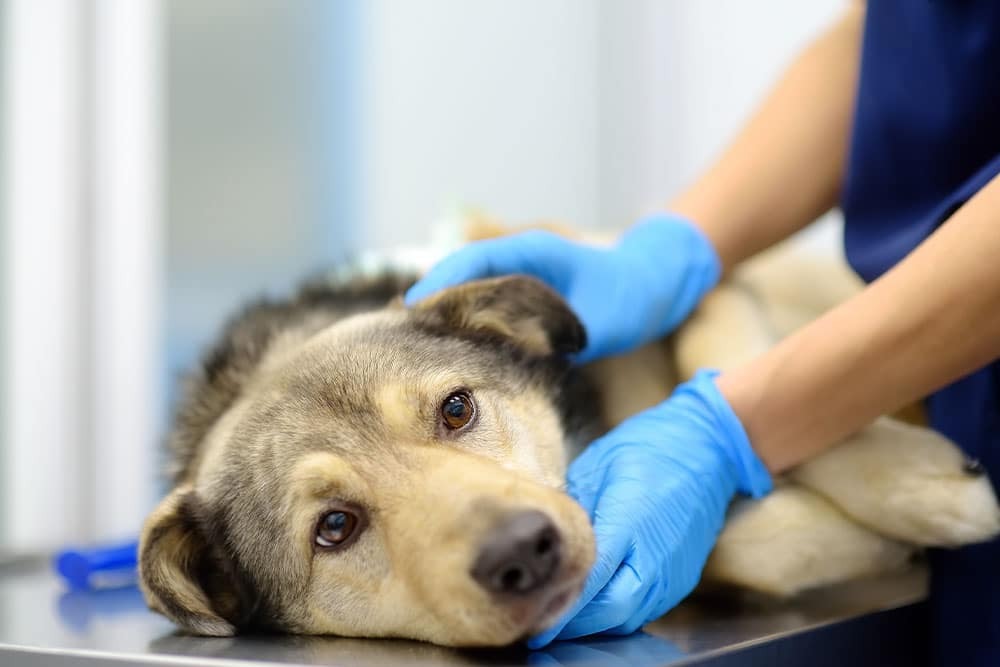
A swollen lump under your dog or cat’s jaw is often an enlarged lymph node, and it usually means the immune system is fighting something. That something might be a bad tooth, a skin infection, a tick-borne illness, or in some cases, cancer like lymphoma. What matters is that you cannot tell the cause by touch alone, and the wait-and-see approach can cost real time on the ones that need action. Big lymph nodes are a signal, not a diagnosis, and figuring out which signal they are sending is what actually matters.
Mid-Valley Veterinary Hospital in Orland runs an in-house lab that lets us find the cause of a swollen node with bloodwork and cytology on the same visit so the picture starts coming together right away. When those results point past the routine, our ultrasound and X-ray diagnostics for dogs and cats let us look at what we cannot feel from the outside. We talk you through what we find and build a plan together, whether that means treating an infection, monitoring a reactive node, or moving toward a biopsy. If you have found a new lump on your dog or cat, request an appointment and we will take a closer look.
Four Things to Know
- An enlarged lymph node is a sign that the immune system is responding to something, and the cause can range from a simple infection to lymphoma, so the lump itself never tells you the whole story.
- The pattern matters: which nodes are swollen, how firm they feel, and whether the pet seems sick all help point toward the answer before a single test is run.
- A fine-needle aspirate is usually the fastest way to find out what is going on, and most pets sit through it wide awake with no sedation.
- Finding a swelling early keeps more options on the table, so a lump that is new, growing, or firmly stuck to deeper tissue is worth a call rather than a wait.
Meet the Immune System’s Filtration Network
Lymph nodes are the immune system’s filtration stations. They sit along a network of vessels that carry lymph fluid through the body, and as that fluid passes through, each node screens it for bacteria, viruses, and other invaders, then coordinates the immune response when something harmful turns up. Most of the time they do this work quietly, staying small enough that you would never notice them.
When a node swells, that is the system announcing it has found a problem and gone to work. The lymph node locations you can actually reach from home fall in five spots: under the jaw, in front of the shoulders, in the armpits, in the groin, and behind each knee. These are the ones you can gently feel, which makes them useful to know if you want to keep an eye on your pet between visits.
There are many more nodes deep inside the chest and belly that no one can feel from the outside, which is part of why a hands-on check has limits. Feeling these nodes is a standard part of every preventive care visit, and running our hands over the same spots at every exam is often how a subtle change gets caught before it becomes obvious.
When Does a Swollen Node Mean You Should Move Fast?
Timing depends on what else is going on. Most swollen nodes are not a middle-of-the-night emergency, but a few situations call for a faster response. A new, firm, or growing node warrants a prompt visit, while trouble breathing or a very sick pet means same-day care. A long-stable node can usually wait. Here is how to sort them.
| Urgency | What it looks like | What to do |
|---|---|---|
| Prompt, within 48 hours | A new firm node, several nodes enlarged at once, or a node that is growing but the pet seems otherwise fine | Book an evaluation soon |
| Same day / emergency | Trouble breathing, collapse, pale gums, a node so large it interferes with swallowing, or a very sick pet | Seek care right away |
| Within the week | A node that has been stable and unchanged, or a very mild, slow change you are keeping an eye on | Schedule at your convenience |
When you are not sure which tier fits, err toward calling. It is always fine to call us when you are unsure, and a quick conversation often sorts out how quickly your pet needs to be seen. If a true emergency happens outside our regular hours, contact the nearest veterinary emergency hospital right away.
Which Conditions Actually Push a Lymph Node to Swell?
The causes fall into a few broad buckets: infection, cancer, and a smaller group of immune-mediated and miscellaneous conditions. Even before any test, the pattern already carries information. One swollen node near a scraped paw usually means something local and minor, while nodes swollen all over point toward something systemic, like infection or a cancer such as lymphoma.
How firm the nodes feel, whether they hurt, and how fast they grew all add to the picture. These causes can look identical from the outside, which is exactly why testing matters. Here is how the main categories compare.
| Category | Common examples | Typical pattern |
|---|---|---|
| Local infection | Wound, abscess, dental disease | One or two nodes near the problem, often tender |
| Systemic infection | Tick-borne disease, fungal disease, feline viruses | Multiple nodes, sometimes with fever or lethargy |
| Cancer | Lymphoma, spread from another tumor | Firm, painless nodes, often several at once |
| Immune-mediated / other | IMHA, allergies with skin infection, vaccine reaction | Variable, often alongside other signs |
Which Infections Send Nodes Into Overdrive?
Infections are among the most common reasons a node enlarges, and they come in every flavor: bacterial, viral, fungal, and parasitic. A local infection, like an abscess from a cat bite or a foxtail wound, usually swells just the nearest node. A systemic infection spreads the workload across many nodes at once. Tick-borne diseases are a frequent culprit here in our part of the state.
- Tick-borne: Lyme disease and others spread through infected tick bites and can leave nearby nodes reactive and enlarged.
- Bacterial: Leptospirosis, picked up from contaminated water and soil, is a real consideration for farm dogs and puddle-drinkers. Mycobacteriosis is a less common cause of chronic node and skin changes in cats.
- Fungal: Here in Northern California, Valley Fever is the regional one to watch, alongside soil-borne histoplasmosis and aspergillosis.
- Viral (cats): Feline leukemia virus wears down immune defenses over time and leaves cats prone to node changes. Feline immunodeficiency virus does the same over a long, slow course, leaving the immune system less able to keep infections in check.
- Parasitic: A heavy load of intestinal parasites can do the same, keeping the immune system working overtime. Even external parasites like fleas and mites can activate the immune system and leave nodes reactive.
Could a Swollen Node Be a Sign of Cancer?
Canine lymphoma is one of the most frequent causes of sudden, dramatic node swelling in dogs, and many of these dogs seem entirely well right up until the lumps appear. That is the part that catches families off guard: a happy, eating, playing dog with several golf-ball-sized nodes that were not there last week.
The numbers are sobering: roughly 1 in 15 dogs will develop lymphoma over a lifetime, and lymphoma in Golden Retrievers climbs to as high as 1 in 8. Because the specific lymphoma diagnosis and subtype shapes the entire treatment and prognosis conversation, getting an accurate answer early genuinely changes what comes next. Take a breath here, though: swollen nodes are far more often an infection than a cancer, and even lymphoma is a disease we can talk you through.
Feline lymphoma behaves differently, more often settling in the gastrointestinal tract than showing up as easily felt swellings under the skin. Other cancers can also spread from their original site into nearby lymph nodes, which is one more reason a firm, growing node earns a closer look.
What Are the Less Obvious Triggers Behind a Swollen Node?
A handful of non-infectious, non-cancerous conditions round out the list. Immune-mediated hemolytic anemia is one, where the immune system attacks the body’s own red blood cells and the nodes get pulled into the response. Chronic allergies with a secondary skin infection can inflame the nodes draining that skin, a benign cause that looks identical to a serious one until it is tested. Vaccination reactions sometimes produce a temporarily swollen node near the injection site. Every one of these needs the same systematic workup, because you simply cannot sort them out by feel.
How Do We Pin Down What an Enlarged Node Means?
Diagnosis works from the outside in, moving from what our hands find to targeted testing, with each step deciding what the next one should be. Nothing about the process is guesswork. What we learn on the exam table shapes how urgently we test and what we test for.
What Does the Physical Exam Reveal?
The hands-on exam is more informative than it looks. When we palpate a node, we are reading its size, texture, and consistency; whether it is symmetric side to side; whether it hurts; and whether it slides freely under the skin or feels stuck to the tissue beneath. A soft, tender node that moves easily reads very differently from a hard, painless one that feels anchored in place. That pattern is what sets the urgency and points us toward the right kind of testing, before a needle ever comes out.
What Blood Work, Tick Testing, and Imaging Come Next?
A complete blood count and chemistry panel screen for systemic infection, anemia, and organ trouble, filling in the background the exam cannot. Tick-borne and infectious disease testing checks for the specific organisms that trigger widespread swelling. When lymphoma is on the table, imaging becomes staging: chest X-rays and abdominal ultrasound let us assess the nodes and organs we cannot feel, and that map guides both treatment and prognosis. Our in-house bloodwork with rapid results means we often start piecing the story together during the same visit rather than waiting days.
What Is a Fine-Needle Aspirate, and When Is a Biopsy Needed?
Fine-needle aspiration is usually the first move for testing the node directly: a small needle draws out a few cells to read under the microscope, and most pets tolerate it wide awake with no sedation. It takes moments, and it often answers the biggest question, whether the cells look reactive and inflammatory or whether something abnormal is present. We have a state-of-the-art microscope with AI assistance and board-certified pathologist support, which keeps that first answer moving quickly.
Sometimes cells alone are not enough. A biopsy removes a larger piece of tissue and is what we turn to when we need to see how the cells are arranged or confirm a lymphoma subtype. That deeper look often changes the treatment plan. We can perform surgical biopsies when more answers are needed.
Once We Know the Cause, What Does Care Look Like?
Treatment always follows the diagnosis, never the other way around. Reaching for an antibiotic or a steroid before we know the cause tends to mask the picture, muddy future test results, and delay the treatment that would actually work, which is why we test first and treat second. What that treatment looks like depends entirely on what the workup turns up.
- Bacterial infection: Targeted antibiotics, drainage of an abscess if one is present, and treatment of the underlying source such as a bad tooth.
- Tick-borne disease: Specific antibiotics like doxycycline, often with a good response once the right organism is identified.
- Fungal infection: Longer courses of antifungal medication, guided by which organism is involved and how far it has spread.
- Immune-mediated conditions: Medications that calm an overactive immune response, tailored to the specific condition.
- Lymphoma: Chemotherapy protocols that most pets tolerate far better than people expect, with the goal being remission and good quality of life rather than a cure for most patients.
For lymphoma especially, honesty matters. Remission, not cure, is the realistic goal for most patients, and what treatment looks like day to day differs from one pet to the next. We map out the best treatment plan for your pet based on the diagnosis and a conversation with you about your goals and what fits your family.
What Habits Keep Lymph Node Trouble Less Likely?
Not every cause of a swollen node is preventable, but many of the common infectious triggers are, and steady preventive care is also the surest way to catch everything else early. Consistency does more heavy lifting here than any single dramatic intervention. A few habits carry most of the protection.
- Stay current on prevention and vaccines: Routine visits and wellness care protect against several infectious causes and give us a baseline to compare against.
- Keep the mouth healthy: Good dental care cuts down the chronic bacterial load that keeps the jaw-region nodes activated, one of the most common reasons those under-the-jaw nodes stay puffy.
- Stay consistent with parasite prevention: Year-round flea, tick, and intestinal parasite control heads off a whole category of triggers before they start.
Can You Feel for Trouble at Home Yourself?
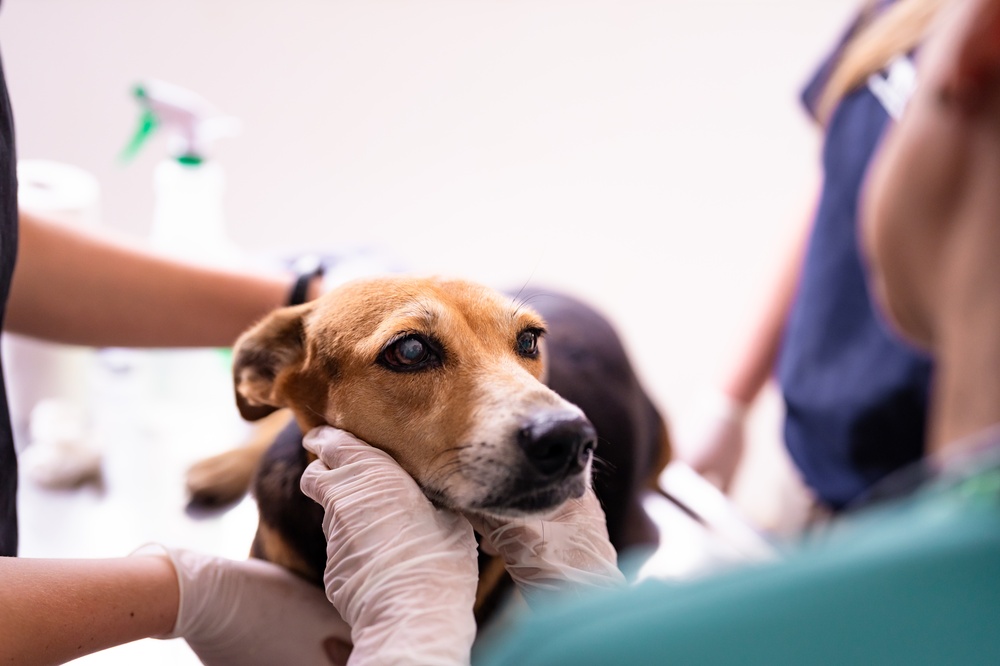
A monthly home check takes about a minute and turns you into an early-warning system. Pick a calm moment, maybe during a belly rub or a grooming session, and gently feel the five accessible spots on both sides: under the jaw, in front of the shoulders, in the armpits, in the groin, and behind each knee. Use light pressure and compare left to right.
You are not trying to measure anything or diagnose anything. You are just getting familiar with what normal feels like on your own pet, so that a change stands out. If a spot feels larger, firmer, or different than it did last month, that is your cue to call. Noticing the change is the whole job; sorting out what it means is ours.
Common Questions Pet Families Ask About Swollen Lymph Nodes
My dog has a swollen lymph node but seems totally fine. Should I still worry?
A dog can feel great and still have a serious cause behind an enlarged node, which is exactly what makes lymphoma tricky. Many dogs are eating, playing, and acting normal when their nodes first swell. Feeling fine is reassuring, but it does not rule anything out. A new or growing node deserves a look regardless of how bright and happy your dog seems, because catching it early keeps more options open.
Is a swollen lymph node always cancer?
No, and this is worth saying clearly. Infection and inflammation cause far more swollen nodes than cancer does, and plenty of them turn out to be a reaction to something minor like a wound or a dental problem. The catch is that you cannot tell the difference by feel, so a quick test is what separates the harmless from the serious. Most swollen nodes are not cancer, but all of them are worth checking.
How long can I wait to get a swollen node checked?
For a node that is new, firm, or growing, sooner is better, ideally within a couple of days. If your pet is also sick, struggling to breathe, or the swelling is affecting swallowing, that moves into same-day territory. A single node that has stayed exactly the same for a long time is lower priority. When in doubt, a phone call helps us figure out together how fast your pet needs to come in.
Trading the Worry of a Lump for a Plan You Can Follow
The hardest part of finding a lump is not the lump itself; it is the not knowing what it means. That uncertainty is real, and it is exactly the part a systematic workup is built to resolve. Feel the node, test the cells, read the blood, and image what we cannot reach, and the fog usually lifts into a clear diagnosis and a plan you can act on.
The earlier we start, the more options tend to stay on the table, whether the answer is a simple infection or something that needs a fuller conversation. If you have found something new on your dog or cat, our team is ready to help you get to an answer. Schedule a visit and we will take a careful look together.



Leave A Comment